
 The first (and so far only) good day in the markets for 2016 shouldn’t go by without instilling some hope in us investors. The latter half of 2015 and the first weeks of 2016 have many convinced that the market bull is thoroughly dead, having exited stage left pursued by a bear (appropriate for January). The toll taken by worsening news out of China, falling oil, and the rising US dollar have left markets totally exhausted and despondent. But is the bull dead, or just mostly dead? Because there’s a big difference between all dead and mostly dead. In other words, is there a case to be made for a resurgence?


I am, by nature, a contrarian. I have an aversion to large groups of people sharing the same opinion. It strikes me as lazy, and inevitably many of the adherents don’t ultimately know why they hold the views that they do. They’ve just gotten swept up in the zeitgeist and now swear their intellectual loyalty to some idea because everyone else has. And when I look at the market today, I do think there is a contrarian case for a market recovery. Not yet, it’s too early, but there are reasons to be hopeful.

First, let’s consider the reasons we have for driving down the value of most shares. Oil prices. The price of oil has come to seemingly dictate much of the mood. Oil’s continued weakness speaks to deflation concerns, and stands in for China. It’s price is undermining the economies of many countries, not least of which is Canada. It’s eating into the profits of some of the biggest companies around. It’s precipitous fall has lent credence to otherwise outlandish predictions about the future value. Yet this laser like focus on oil has eclipsed anything else that could turn the tide in the market. Other news no longer matters, as the oil price comes to speak for wider concerns about China and growth prospects for the rest of the world. In the price of oil people now see the fate of the world.
That’s foolish, and precisely the kind of narrow mindset that leads to indiscriminate overselling. The very definition of babies and bathwater. And negativity begets more negativity. The more investors fear the worse the sentiment gets, leading to ever greater sell-offs. Better than expected news out of China, continued employment growth from the US, and the fundamental global benefit of cheap energy are being discounted by markets today, but still represent fundamental truths about economies that will bring life to our mostly dead bull tomorrow.
Don’t mistake me, I’m not trying to downplay the fundamental challenges that markets and economies are facing. Canada has real financial issues. They are not driven by sentiment, they are tangible and measurable. But they are also fixable, and they do not and will not affect every company equally. The same is true for China, just as it is true for the various oil producers the world over. What we should be wary of is letting the negative sentiment in the markets harden into an accepted wisdom that we hold too dear.
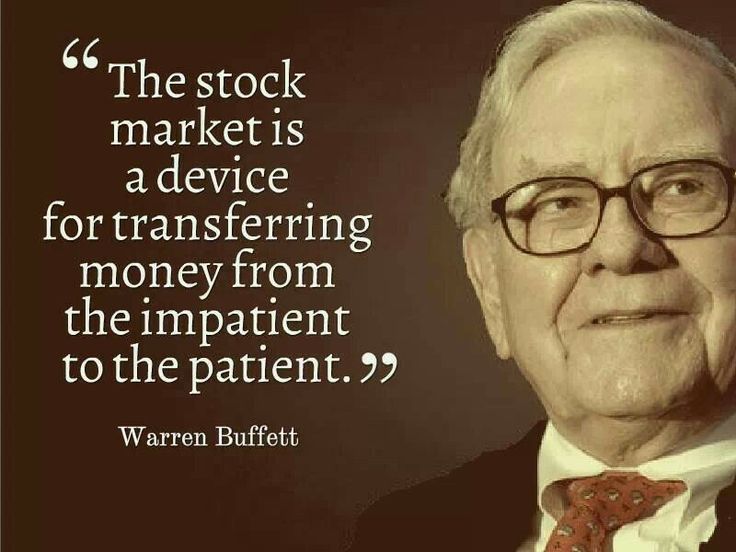
Put another way, are the issues we are facing today as bad or worse than 2011, or even 2008? I’d argue not, and becoming too transfixed by the current market sentiment, the panicked selling and the ridiculous declarations by some market analysts only plays into bad financial management and will blind you to the opportunities the markets will present when a bottom is hit and numbers improve.
So is the bull dead? No. He is only mostly dead and there is a big difference between mostly dead and all dead. We will navigate this downturn, being mindful of both the bad news and the good news. Investors should seek appropriate financial advice from their financial advisors and remember that being too negative is just another form of complacency, a casual acceptance of the world as it currently appears, but may not actually be.
Remember, the bull is slightly alive and there’s still lots to live for.


 The Walker Report