


Trends are a big deal in the investing world. Even if you aren’t going to pour over mounds of financial data sometimes trends are all you need to know about to successfully invest. Lots of people have beaten “experts” because they followed a trend rather than become intimate with the financial fundamentals.
It should be no surprise then that trends also dovetail nicely with investing hype and stock market bubbles. The trend is your friend only so long as it still makes sense. In fact being able to understand why the trend is occurring maybe the only thing that saves you from being an apocryphal lemming running over an apocryphal cliff.
In the movie The Big Short, Christian Bale’s character is shown to be a maverick who correctly bet against the housing market. But his bet, notably, was based on reviewing all the underlying mortgages that made up the mortgage backed securities and how the presence of sub-prime mortgages and rising borrowing rates tied to grace periods in the investments would lead to a housing collapse. There were a lot of people on the housing boom trend, but not many on the big short side. What separated them was knowledge about fundamentals.
Trends represent an essential aspect of investing that we typically discourage; betting on outcomes when the fundamentals are opaque or in dispute. Here are a few that we think investors should be wary of.
 Self Driving Cars: In reality you aren’t likely to come across too many investments in this space. I’ve seen some through venture capitalists, but as a growing field and surrounded with lots of hype there is every reason to believe that firms will increasingly be looking for investors outside the venture capital space.
In principle self driving cars sound awesome and could radically change how we live and get around. Lots of companies are excited by the prospect of a self driving vehicles, including insurers and freight firms. However the entire enterprise depends on being able to eliminate the human component completely. That seems less likely and anything short of that (like having a driver always ready to take back control at a moment’s notice) will make the biggest benefits disappear. Beyond that there are also numerous other aspects that haven’t been considered. The cars will have to stop for all pedestrians, so what’s to stop pedestrians from just walking into traffic knowing that the cars will always stop? Or more terrifyingly, the potential for hacking cars and creating accidents with malware?
Those kinds of hurdles don’t get much attention in the fawning media coverage of self driving cars, but they represent the challenges that need to be comprehensively addressed before investors come to believe that this trend is safe and reliable.
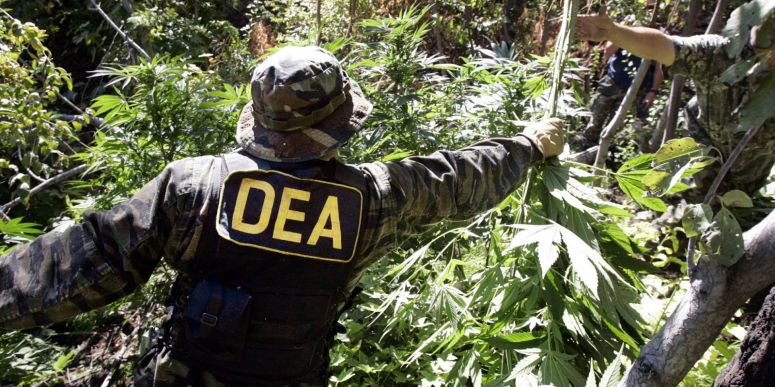
Marijuana Stocks: I’ve written about the concerning hype regarding marijuana stocks before and haven’t had a reason to change my opinion since. One of the biggest reasons that investors should be excessively cautious regarding marijuana is because its still illegal. One of the lesser reasons is that as it transitions into a regulated drug, it will be more likely to be treated like cigarettes and alcohol.
In Ontario it has raised ire of prospective sellers that the LCBO would like have control over the sale of pot. In the United States, where marijuana is a Class A drug and regulated by the federal government, it was still unclear whether the federal government would get involved with states that had voted to legalize the drug. Yesterday the Attorney General, Jeff Sessions, announced that federal prosecutors will be allowed to decide how much energy to put into federal enforcement, rescinding the Obama era policy of staying out of the way of states the vote to legalize its sale.
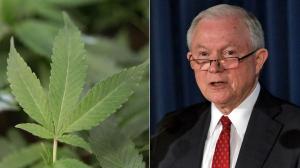 This kind of regulatory uncertainty should give investors real pause when they consider which companies to invest in. Most marijuana growers have no profits and only debt and are betting on big returns once markets open up. They would not be the first companies to badly misread what the future holds.
Bitcoin: Whatever is attracting people to Bitcoin at this stage, most serious investors are keeping back. The common chatter is that no one is sure what is driving the price up except demand. Bitcoin is meant to be an alternate currency, one protected by the blockchain and whose algorithm should limit the physical number of total bitcoins in the world. While that may all be true, investors aren’t treating bitcoin that way. Instead prices have fluctuated violently, reaching peaks of $20,000 USD and falling sharply to $13,000 USD. Currently its trading at just over $14,717 USD.
 Currencies that are subject to incredible volatility are not normally appealing to investors. In fact stability is the key for most currencies, and the Bitcoin phenomena should not be an exception to this. Bitcoin’s intellectual champions point out that it is a versatile currency and a store of value, but if you were a retailer how would you feel accepting payment from a currency that can drop 30% in one day? As a consumer it also would trouble you to pay $5 worth of bitcoins one day only to find out it was worth 1000% more a month later. Currencies work because people will readily part with it for other goods confident that the value is roughly consistent over time.
Bitcoin, and by extension other crypto-currencies lack this basic property, and instead operate in an expensive, unregulated market with little oversight. Investors should give extensive thought as to whether Bitcoin represents good value for money.
As 2018 unfolds, no doubt there will be more ideas that will seem credible but may have little to offer investors except brief excitement. Scepticism remains an investors best accomplice when assessing excitement and investment hype.

 In his excellent book

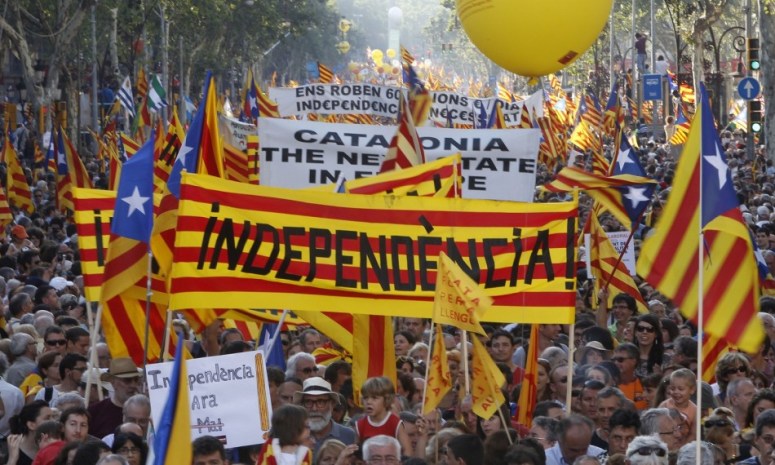
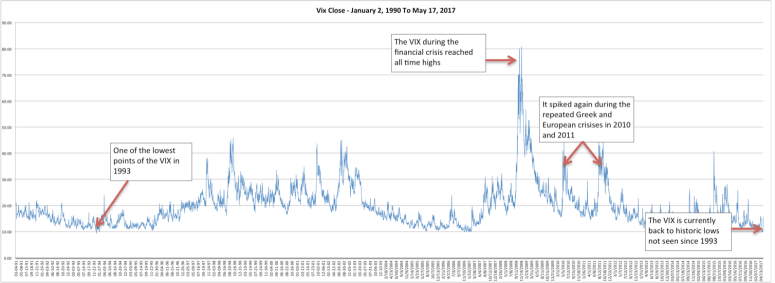
 On the other hand chronic instability has a way of building in systems. One of the reasons that serious conflicts, political instability and angry populism haven’t done much to negate market optimism is because the nature of Western Liberal democracies is to be able to absorb a surprising amount of negative events. Our institutions and financial systems have been built (and re-built) precisely to be resilient and not fragile. Where as in the past bad news might have shut down lending practices or hamstrung the economy, we have endeavored to make our systems flexible and allow for our economies to continue even under difficult circumstances.








 Some time ago I wrote that it really didn’t matter


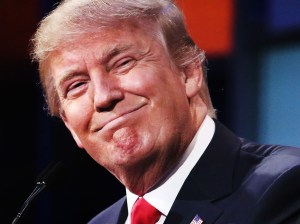
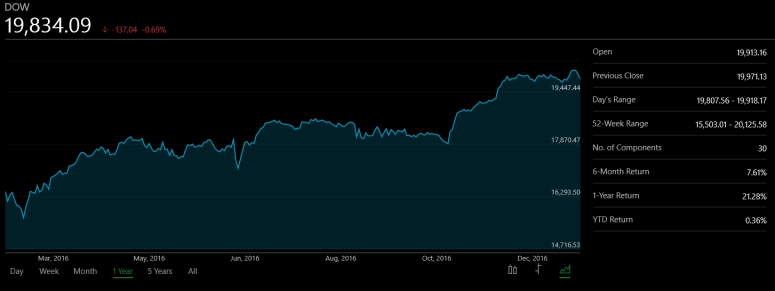
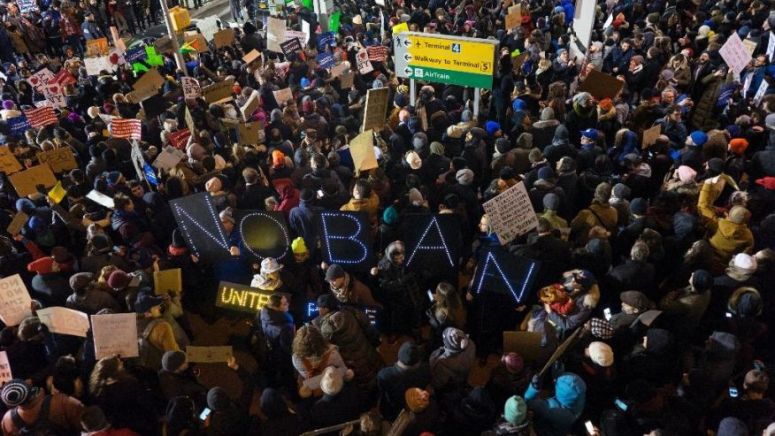


 2017 will begin to rectify some of these issues. Next week we will see the arrival of President Donald Twitterbot™, finally ending speculation about what kind of president Donald Trump will be and seeing what he actually does. So far markets have been reasonably calm in the face of the enormous uncertainty that Trump represents, but his pro-business posture seems to have got traders eager for a more unregulated market with greater earnings for the future. Right now bets are that Trump might really jump start the economy, but there are real questions as to what that might mean. Unemployment is already very low and inflation looks like it is actually beginning to creep up.




 The Walker Report