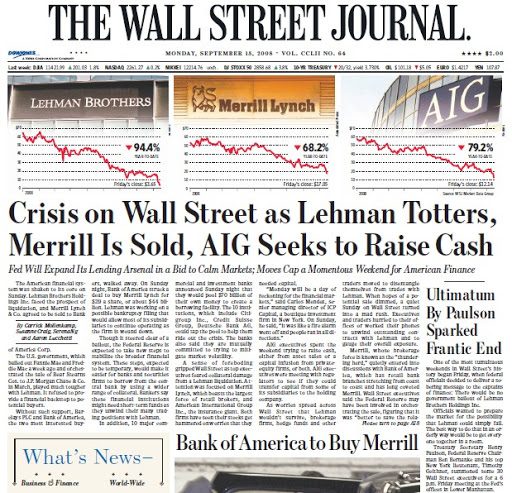
A Few Things Worse Than Dying

estateplanningforpets

Have you ever thought about how you might die? If you have you’ve probably hoped that it would be quick, painless and happen in your sleep. Though this might be the death we hope for, the reality is almost certainly going to be the opposite. Death typically provides great forewarning, can be lingering and cause great pain. Most all of us will die of non infectious diseases, starting with heart disease, including high blood pressure, heart attacks and general circulatory failure. After that comes cancer, and then a host of other diseases in various other likelihoods.

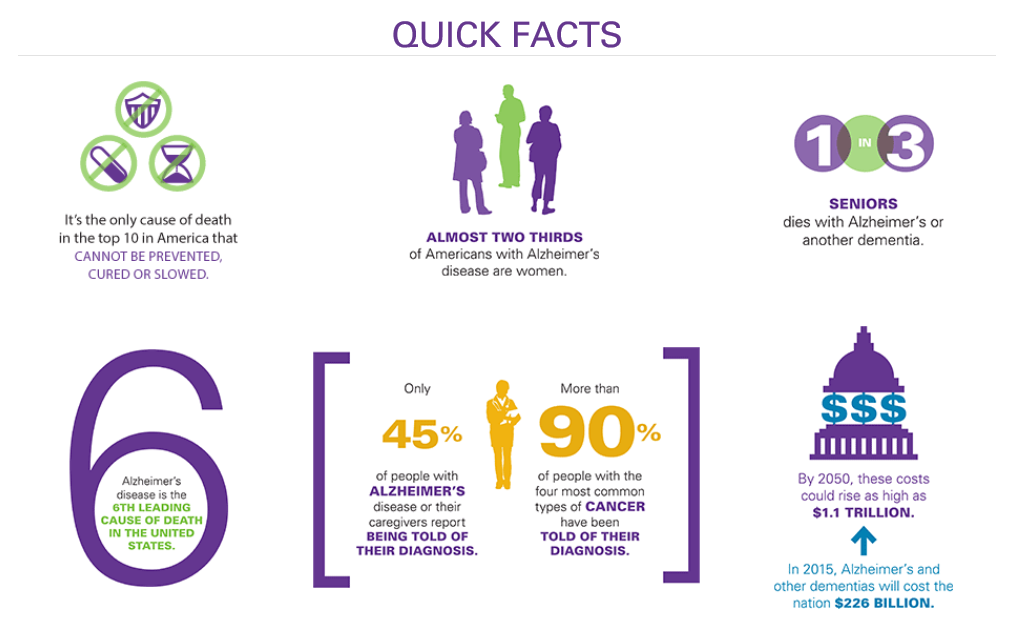
These are unpleasant truths, and not typically something we would like to dwell on. But as a clever pirate once said, “life is pain, and anyone who says otherwise is selling something.” Wise words, and a useful reminder that while we may be the heroes of our own life, it does not shield us from the most unfortunate outcomes the universe can through at us.anigif_enhanced-buzz-10974-1368553234-5But dying is perhaps not even the worst of what can befall us. While only 4.3% of people will die from dementia, it is currently estimated that 1/3 people who die of some other ailment will also have dementia at the same time. That’s a disturbing reality, suggesting that while we may still live a long life, we may not be in charge of all our faculties and could be left in an incapacitated state for an extended period of time.
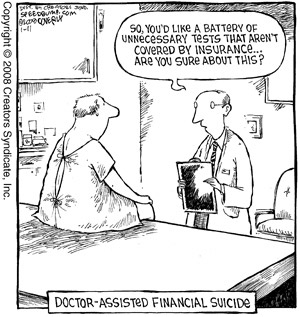
Assisted SuicideI’m not going to delve into the morality of euthanasia and whether you should be allowed to choose assisted suicide. Instead I would like to shine a light on some common scenarios about what is likely to happen before we die, and why it’s important to have a Power of Attorney. A few months ago I wrote about the importance of young people having wills, to protect children, their assets and see to it that their families are cared for properly. But wills aren’t just for ensuring your wishes are carried out after you die, but before it as well.

A living will and a Power of Attorney as part of your estate planning could be counted as one of the most important aspects of sensible planning. Without it your wishes can not be carried out. If you get seriously sick, are in a terrible accident or lose your mental capacity due to illness, it is too late for “do not resuscitate” requests or to appoint someone you trust to manage your affairs. In fact, in Ontario, being rendered “mentally incapable” means that solely owned assets cannot be accessed by any other person, including your spouse. Instead you would be forcing your family to appeal to the Courts to appoint them a guardian. Outstanding bills, education funds and bank accounts may not be paid or accessed even if it’s your children’s future in the balance, and contrary to what you might think, the government does not make quick or speedy exceptions because you didn’t share bank accounts but have a joint credit card that needs payment.
Alzheimer

Long lives are wonderful things, allowing us the privilege to see multiple generations grow-up and participate in so much more than any generation behind us. But a long life also opens us to the possibility of something bad happening to us, with greater potential for life threatening accidents and illness that maim but do not kill. Like insurance and long term financial planning, a living will and a power of attorney represents worse case scenario planning that we hope never to need. But while we may hope never to be left in a vegetative state, suffering from Alzheimer’s, or incapable of running our own lives, we should not be burdening our families and stretching financial resources due to poor planning.

Please don’t wait, if you would like to get your will in order please give us a call today!

The OHIP Gambit

Is this your retirement? Commercials for retirement planning frequently feature retirement as one of endless vacation. In fact, I can't think of a retirement ad that features the protagonist with a walker and in need of long term care and a new hip.
Is this your retirement? Commercials for retirement planning frequently feature retirement as one of endless vacation. In fact, I can’t think of a retirement ad that features the protagonist with a walker and in need of long term care and a new hip. But as we know, all retirement planning should involve a Walker! Get it? See what I did there?!

A few weeks ago I wrote about the demographic deformation, how our aging population changes many factors about our society in everything from government services to investing. One of the government services that is likely to be affected is our health care, and that should have a profound impact on your investing and retirement plans.

It isn’t surprising that health care costs would rise as a population ages. Living longer doesn’t just mean a longer life, but one in which treatment costs rise in accordance with the number of treatable ailments. Typically this has meant that the older you get the more you cost the system. The picture is more complicated though. Costs rise as you get older because you get closer to death, and the most expensive and costly treatments correspond to end of life care. High cost users (HCU) account for only 5% of people treated by OHIP, but use 61% of hospital and home costs.

Being old though doesn’t automatically make you a HCU, but it does make it more likely. The most expensive HCUs are actually infants, but as a percentage only account for 3% of all infants that see doctors. By comparison of the people over the age of 80, 20% will be HCUs.

These costs come from a study done in 2013, but reflect 2009 numbers.

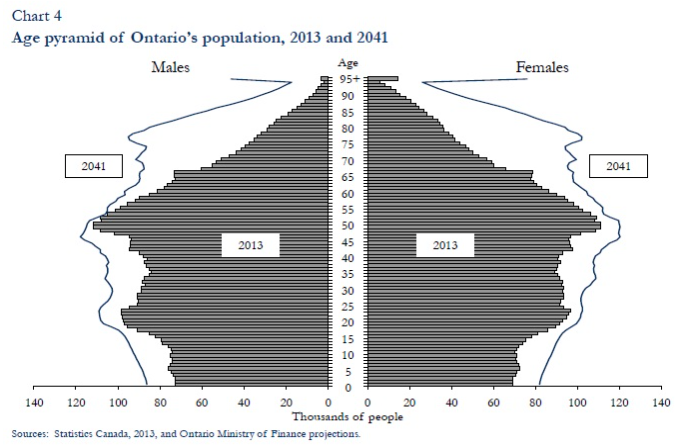
From the standpoint of the government, HCUs represent a serious challenge to managing the long term sustainability of public health care. If you are over the age of 65 and seeking medical treatment there is a good chance you will be costing the system a great deal, which is not a problem when the number of people over the age of 65 is small relative to the rest of the population. But look at the projected population for Ontario.

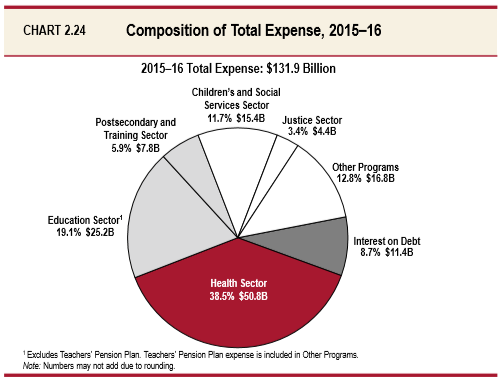
Ontario PopulationOur population is aging, and the costs to the system are expected to be enormous. Which is a problem, because the costs of the system are already enormous. Healthcare in Ontario is already 38.5% of the budget ($50.8B), the single greatest expense within the province, and is expected to grow at a rate of 1.2%. That’s not because that’s the natural rate of growth (nationally hospital spending averaged 6.7% annually between 1998-2008), but because the province is frantically looking to contain costs and reign in the ballooning debt we already face. Ontario today is now the world’s most indebted sub-sovereign borrower, double the size of California.

From the Government of Ontario 2015 budget.

If you are in your 50s and planning your retirement and taking an honest look at these three factors: rising costs, aging population and ballooning debt, would it still be reasonable to expect that OHIP will cover all your costs when you are in your 70s? That you could simply dismiss the costs of your future healthcare as not being solely your responsibility?

From the BMO report - "Living to 100: 4 Keys to Longevity" published in July 2014
From the BMO report – “Living to 100: 4 Keys to Longevity” published in July 2014

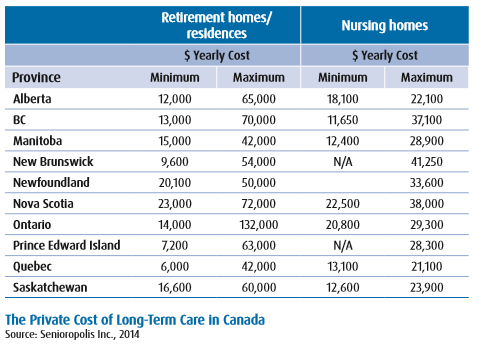
Canadians today already expect that they will have out of pocket medical expenses in retirement, to the tune of about $5400 a year. That number doesn’t include the cost of either nursing homes or retirement homes which can vary wildly based on your needs. But according to Statistics Canada there is a 30% chance you will need long term care by the age of 65, and a 50% chance of needing it by 75. Imagine the costs of health care when there are more people in the country over the age of 65 than under the age of 14 (hint, that’s in the next 6 years).

I don’t like to fear monger, but retirement plans should include the need of long term medical costs and younger people today looking to retire in the next two to three decades should not assume that the healthcare system we have now will be in place in the way we have come to understand over the next twenty years. Even today it was announced that Ontario doctors are planning a charter challenge after having their fees were cut by 6.9% in the past year, an attempt by the government to cap doctor’s costs at $11.6 billion. Our health care costs are rising, and our health care service will be changing to match. Your retirement plans should be changing too.

Can Your Kids Be Made Money-Smart?

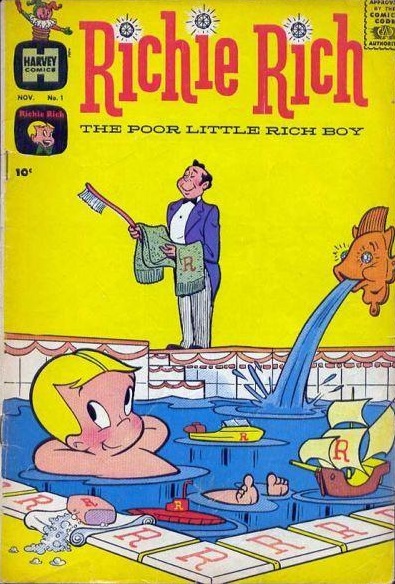
Richie_Rich_comic_No_1By the time your kids get to university, do you think they will have the financial wherewithal to resist the siren song of credit card debt and wasteful money habits?

It’s a good question; when kids go off to school we expect them to finish growing into adulthood but from the standpoint of financial institutions they are already adults, ready to take on all the burdens of credit and predatory loan rates. This is regardless of how experienced they are when it comes to accepting financial responsibility and no doubt contributes to the average indebtedness of students leaving Canadian universities.

Companies are busy grooming kids to be little economic engines, buying on impulse and spending when they should be saving. Whether you agree that it is right or not, children today either directly or influence economic activity to the tune of $1.2 trillion, so don’t assume that we’re likely to see a change in how we advertise to kids. The most effective counter to the tidal wave of advertising and commercial temptation is to make your children money-smart as soon as possible.

Transparent Pig

What is money-smart? Well, think of all the financial decisions you make on behalf of your kids, and then consider how many times you don’t include your children in those decisions. RESPs, RRSPs, credit cards and bank accounts all represent opportunities to not simply teach about money, but create habits and routines around money and how it is used.

For instance, did you know that so long as a fifteen year old has a social insurance number and files a tax return they can have an RRSP? Crazy right! And yet given that most 15 and 16 year olds work in the summer there is no reason that they can not be introduced into the basics of long term savings, even if it is merely an early step.

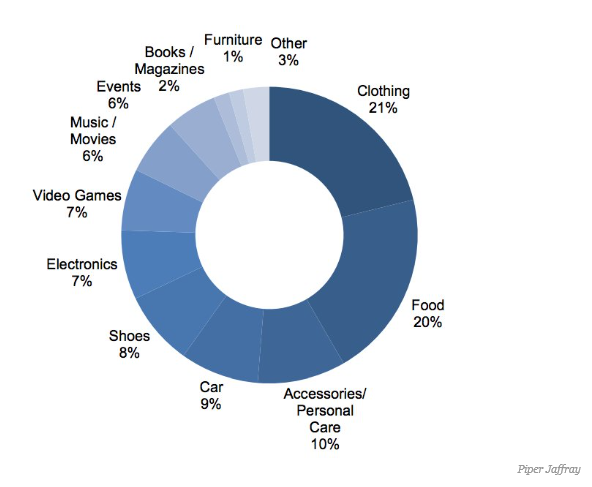
The spending habits of teenagers. From Business Insider: http://www.businessinsider.com/how-teens-are-spending-money-2014-2014-10

Allowances too can serve as a useful tool, not simply in terms of introducing basic money management but also in budgeting and even early credit. Parents shouldn’t simply hand over the money and walk away, instead be part of every step of the financial story, from planning big purchases to paying bills. Family budgets can be a useful addition to the allowance as well. Most parents buy clothes for their kids well into early adulthood. But given how much importance kids put on clothes, both as a fashion choice and as an expression of individuality why not set up a clothing budget, giving children the opportunity to choose what they want and find the outer limits of how far money will go?

Some guidance around allowances

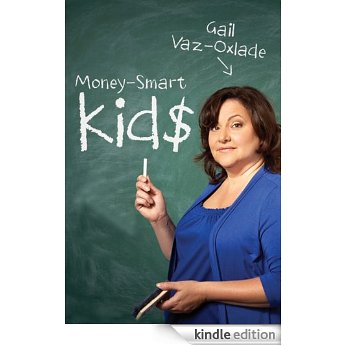
Money-Smart KidsGail Vaz-Oxlade, the prominent and popular Canadian money guru, has a book about this exact subject, and it is a short and useful read for adults looking for ideas on how to introduce the concept of money to children in practical and fun ways. I can’t recommend it enough as a clever way to get your kids ready for good fiscal health.

But we can all chip in. I leave my clients and readers with this open invitation: If we manage your children’s RESPs then invite them to the table! On average we see clients between 3 and 4 times a year in person, and over the course of reviewing their financial picture not once has anyone invited their teenager to join a regular review of the savings they will be employing for their higher education. We view this as an easy learning opportunity for soon-to-be students to get a better understanding of the RESP tax credit, the reasons behind investing decisions and how their RESP will be applied to covering their university costs and what will happen to the money if they don’t use it. We are your resource for educating your children and you shouldn’t be afraid to use us!

Is it time for your children to be part of your RESP decisions? Give us a call and set up a meeting to help get your kids money-smart! 416-960-5995 or at awalker@alignedcp.com

A Financial Advisor’s Thoughts on the Election

2015 election

Politics is personal and we are not in the game of telling you who to vote for, nor are we endorsing one party over another. These are our thoughts about three issues we find relevant to what we do on your behalf and how we look at the market.

Despite however sophisticated we may think we are, elections are still a confusing mess of promises, accusations and distractions. And making sense of what has been promised is quite difficult. Take for example the Liberals promise for an additional $20 billion in transit infrastructure spending over the next decade. That sounds great and will no doubt be welcome, but that works out to $2 billion a year nation wide (it is not being proposed to be allocated that way, but for simplicity purposes this will do). The cost of the controversial Toronto subway expansion is likely to exceed the $3.56 billion currently budgeted. Given the huge cost of transit infrastructure I’m at a loss to know how much difference $2 billion a year make across the country. Its a big sum, but I don’t know what it’s worth and I’d wager neither do you.

For this reason elections regularly fall victim to the desire of political parties and the media for an easier story to tell. And disappointingly this election spent far too much time talking about the niqab, an issue that, despite how you may feel, has only affected two people since the 2011 ban was first introduced.

There are a lot of issues in this election, but some that could have a meaningful impact on your investments and retirement savings, and I thought I’d share some thoughts on them.

TFSAs

Tax Free Savings Accounts have been a popular new tool for investing since they were introduced in 2009. Originally allowing for a $5000 per year contribution, then raised to $5500 and finally to $10,000 per year in 2015, the Liberals and the NDP have both vowed to roll back the increased contribution room to the more modest $5500 arguing that the room only benefits the wealthy. I have previously written that I think this is a bad argument and that TFSAs are a valuable tool for saving regardless of income. Obviously the Conservatives have promised to keep the contribution levels where they currently are, and notably there has been no discussion yet as to how a roll back would affect existing contributions and future contribution room, nor how the CRA would track this year.

Pension & Income Splitting

Pension splitting has been reaffirmed as a necessary and vital tool for retirees by all the parties. Conservatives, Liberals and the NDP have sought to reassure Canada’s most reliable voting block seniors that pension splitting will remain a part of their income options. In a telling move that illustrates how cynical perhaps our politics are and who will reliably turn up to vote, pension splitting will stay, but the NDP and Liberals would like to see income splitting go.

Income splitting, if I’m being honest, makes a lot of sense to me. Designed to help families with a large income earner and where one parent stays at home to raise children, it balances taxes paid where a two income family would pay less even though their combined incomes are equal to one large earner. The tax benefit is only open to families with children under 18 and capped at $2000, so it isn’t a necessarily huge tax write-off.

Interestingly, the argument against income splitting isn’t a great one. According to the Liberals (and backed up by independent think tanks) the tax credit is really only available to about 15% of Canadian households, and so by that logic alone has been described as a $2 billion tax break for the rich. My math suggests otherwise.

According to the 2011 census, there are just over 13 million private households in Canada. Couples with children account for more than 3 million of those households (3,524,915) or around 28%. That means (and I’ll admit I may have this wrong) eligible families for income splitting account for more than half of all households with children. So the idea that it isn’t a useful or widely available tax credit may not be as accurate as portrayed given who it is targeting.

Housing

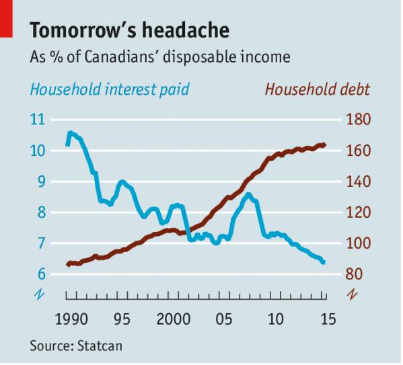
Economist Canadian DebtAs you know, I hate Canadian housing, (but love talking about it). It’s a known disaster waiting to happen that consistently defies odds and makes everybody nervous. But while it’s where Canadians have accumulated the greatest amount of debt it hasn’t really been an election issue. The importance of reducing the cost of housing hasn’t really been recognized either. There are efforts from all parties to create more affordable housing, but that isn’t the same thing.

https://twitter.com/Walker_Report/status/655065283007225856

To this end both the Conservatives and the Liberals have brought some terrible ideas to the forefront. Conservatives have made their once temporary home renovation tax credit permanent, although they’ve cut it’s value in half to $5000 from the original $10,000 and have pledged to increase the maximum you can borrow from the Home Buyers Plan. The Liberals are offering to allow you to dip into the First Time Home Buyers plan more than once. Neither of these plans are great. The housing market is too hot and encouraging the use of RRSPs (you know, your private retirement savings) to encourage more homeownership highlights the complicity of Canada’s government in the soaring debt levels of Canadian families.

Home Ownership

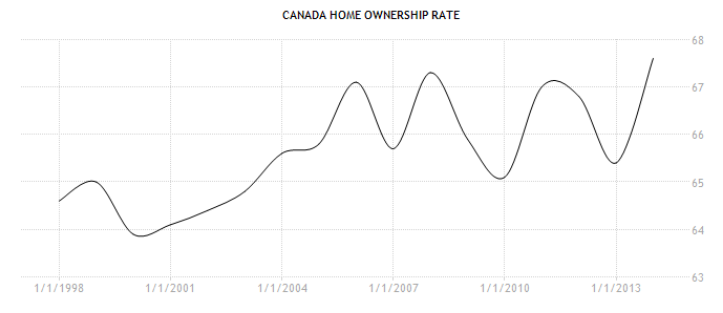
In the end we may long for a political party that advised caution against further home ownership in a country where it is already at record highs, and one of the highest in the developed world. Just a reminder, the view of the government is that while high debt is a natural byproduct of low rates, too much debt will still be your fault.

https://twitter.com/Walker_Report/status/654734014243205124

We aren’t trying to influence your vote, but we think it is important to understand that underneath the bluster and mudslinging are policies which can directly impact the financial well-being of Canada, and Canadians like you. So please remember, on October 19th, vote!

The Demographic Deformation

oldmanThis week the IMF concluded that we were entering a prolonged period of slow growth for the globe. Inflation had failed to materialise in Europe and the United States. China’s economy is “transitioning” from one of infrastructure building to internal consumption, easily said but in practice hugely complicated and fraught with peril. A failing China and a rising US dollar have also put the squeeze on the Emerging Markets, and added to that is the low price of oil that has put many oil dependent economies on their heel. Throw in a refugee crisis and an escalating situation with Russia and there just may not be enough rose tint in the world for your glasses.

I am encouraged though by the idea that much of this is temporary. These are the challenges we face right now and they will pass. So I try to keep some perspective about the problems of “now”. Because there are some real challenges that are facing us that we haven’t even begun to address.

Like old people.

B97489188Z.120150812190729000G75AI3NT.11
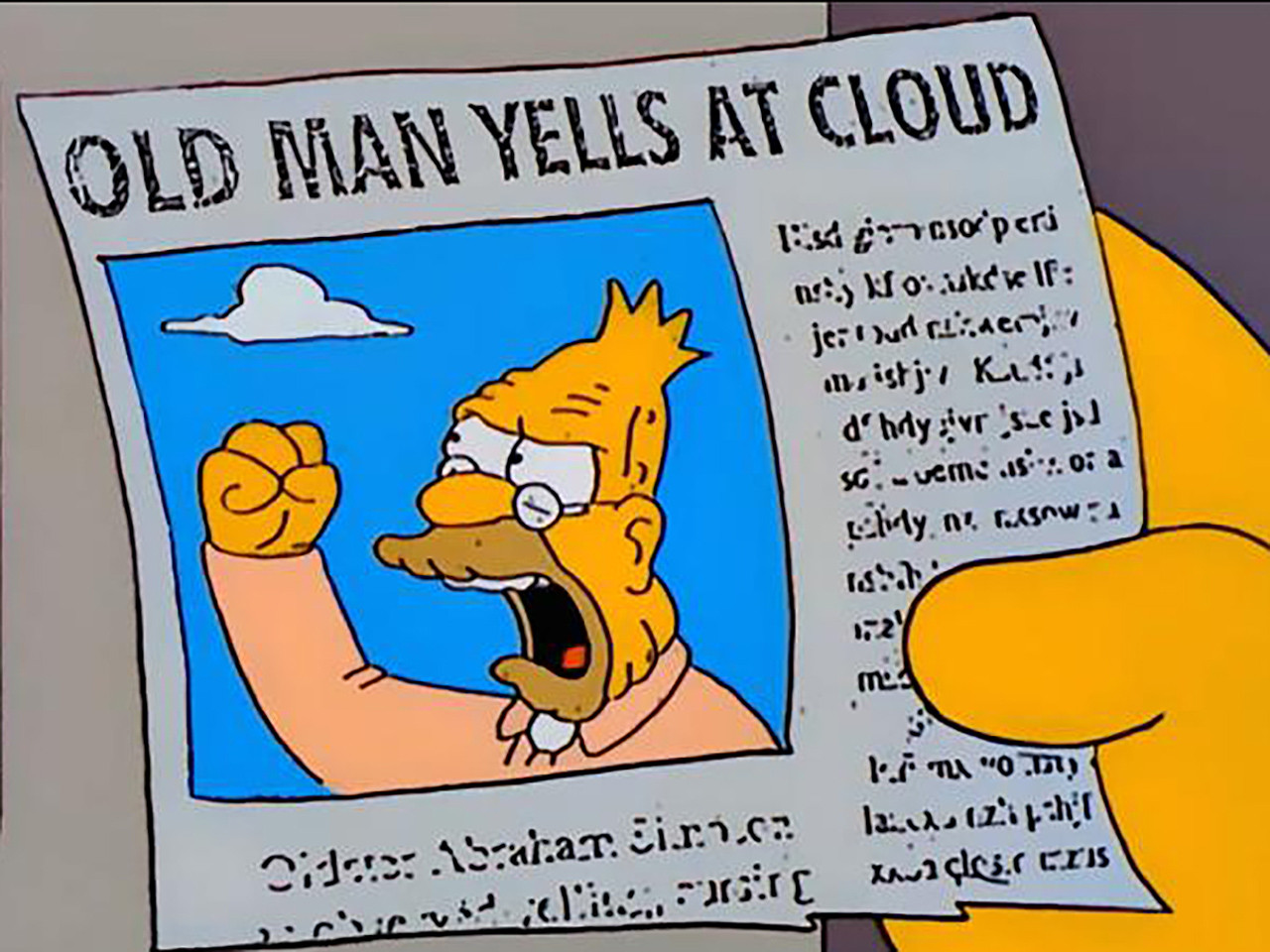
This man is 104 years young. Which is another way of saying he is very old. Which is why he is sitting in a Tim Hortons.

Old people. I’m sure you’ve seen them out on the street, hanging out in Tim Hortons and frustrating you in traffic by driving 5km under the speed limit. But it may surprise you to learn that we are all getting old, and at such a regular pace you could time it by the Earth’s rotation around the sun. And somewhat surprisingly we are about to have a lot of old people, a historically large amount.

The baby boomers are obviously not babies anymore. The name was coined to account for the post war boom in children, but the most interesting fact about them may be how few children they had. Wealthy populations with low infant mortality and high education rates simply have less kids. Globally this is a positive trend, as every country has seen a slowing rate of population growth. But in the day to day management of an economy a large number of elderly people can create significant challenges.

Japan_sex_by_age_2010
This is Japan’s current demographic make-up. The population is inverted, with the largest segments being the oldest, and the smallest being the youngest, a reversal of a typical population chart. This means that there are fewer workers to pay the taxes to support the benefits of the oldest segments of the population, a problem that will only get worse with each passing year.

There are the usual problems, like benefits and entitlements which grow exponentially as a population ages. Those programs that the elderly depend on become highly burdensome when there isn’t a workforce to create enough economic activity to tax. This has been the long understood problem of Japan, whose debt to GDP ration now tops 240% and is thought to be the source of much of Japans economic malaise. But there are also less well understood issues, like how a large aging population affects behavior.

China’s Self Created Demographic Disaster Is Coming

As a group, the elderly tend to seek similar things from their investments: less risk, less volatility, and consistency in income. But when put into practice it has the effect of warping the investment world if done on mass. Dividend stocks, a popular source for lower risk equity that pay consistent income, have been driven up in price through demand, making them both more expensive and reducing the relative yield. The same is true for fixed income, as investor demand has compounded the effect of quantitative easing and kept interest rates low and pushed conservative investors into more risky bonds.

Liquidity is something most investors value, and this is especially true for retirees. The fear of being locked into an investment as its value plummets keeps many up at night and it is reasonable that people depending on their investments to fund their lifestyle have the option . The attraction of liquidity though also magnifies the volatility we seek to avoid. The ease with which investors can opt out of a market on short notice makes bad market days terrible market days as mass selling can take hold.

Lastly, the sheer number of people that are retiring and leaving the workforce depresses economies. In case you’ve missed it, countries everywhere have low, or lowered their interest rates. The purpose of that is to encourage investors to seek out riskier investments for better returns, thus stimulating the economy. But retirees aren’t crazy and have largely resisted this trend. Instead they have held on to lower risk investments even as the returns have dropped, meaning that the richest segment of the economy isn’t putting money to work in a way that undermines government monetary policy.

This is from the "Value of Advice" report from 2011. You can read it HERE, but it's primary purpose was to show the difference in household values when people work with an advisor. This chart on the other hand gives some indication of where most investable assets lie. It should be no surprise that an older population seeking conservative investments means less money pumping into growth sectors of the economy.
This is from the “Value of Advice” report from 2011. You can read it HERE, but it’s primary purpose was to show the difference in household values when people work with an advisor. This chart on the other hand gives some indication of where most investable assets lie. It should be no surprise that an older population seeking conservative investments means less money pumping into growth sectors of the economy.

We are beginning to see a demographic deformation, one that will challenge many of the ways we mange the finances of a nation. Everything from healthcare to education to interest rates will be affected. And this is all uncharted territory. When we talk about challenges we face we tend to focus on near term issues, but big challenges are glacial, slowly altering the world around us and exposing weaknesses in our assumptions and institutions. Dealing with these challenges could require some significant sacrifice, asking much of a wealthy generation to part with their entitlements at the moment they would most like to use them. But even then these are challenges to which we have no good answers yet.

Cereal Killing Our Money

img_5177

This week one of the most absurd events of recent memory came to pass in London. An anarchist group (collective?) called Class War staged a protest outside a cereal bar in London’s East End called Cereal Killer Café to protest gentrification. Paint was thrown, threats were made and in the end riot police were called.

I’m completely serious.

Businesses like the Cereal Killer Café raise some interesting questions about what we do with our newly gentrified neighborhoods, and what we consider to be worthwhile economic activities for our money. It is curious, for instance, that there could ever be such a thing as a “cereal bar“, literally a place to go and buy a single bowl of cereal and milk for just over $6 CDN. The number of hamburger joints offering up organically raised beef and artisanal fries may reflect an increasing focus on authentic slow food, but more realistically suggests that we are bad at assessing value and have a disheartening economic focus on frivolity.

mugNovelty is nothing new (cough, cough) and our desire to spend money on novelty shouldn’t surprise us. Cities too have always been home to novel and frivolous ways to spend money. But given the abundance of economic frivolity it is worth considering whether we have our priorities straight. Consider that a major complaint is that people simply don’t have enough money to live at an accepted standard. Home ownership is being discounted by a whole generation that feel that home prices are simply too high. But given the abundance of commercial activity revolving around food, drink, and events, it is worthwhile raising at least a question of fiscal prudence.

I’m not of the opinion that by avoiding lattes you can have a decent retirement, but there are enough businesses with questionable reasons to exist that it is at least worth considering whether we are spending our money wisely. The surprising existence of juice bars, cupcake boutiques, frozen yogurt stores and designer cookie brasseries can be described as nothing short of head scratching. Joined by the numerous residents of the city who regularly go to the café dedicated to board games, throw axes, jump on trampolines, drink at Harry Potter themed bars, partake in juice cleanses, play Ping Pong or just seek ways to leave a room, it might not be unfair to think that we are in some ways the authors of our own financial short comings.

I thought I had more saved!

The first step to financial stability is being able to make sense of where your money is going and gaining perspective on the total range of your spending. The benefits of city living is the endless amount of fun available to you, but that is also it’s chief drawback. Having a clear eyed picture of your financial needs, realistic financial goals and a roadmap to get there will be worth far more in the long run, provide comfort that you aren’t undermining your financial future and make your luxuries exactly that. Luxuries.

Want to talk about budgets? Send us a message!

Can the EU Survive The Syrian Refugee Crisis?

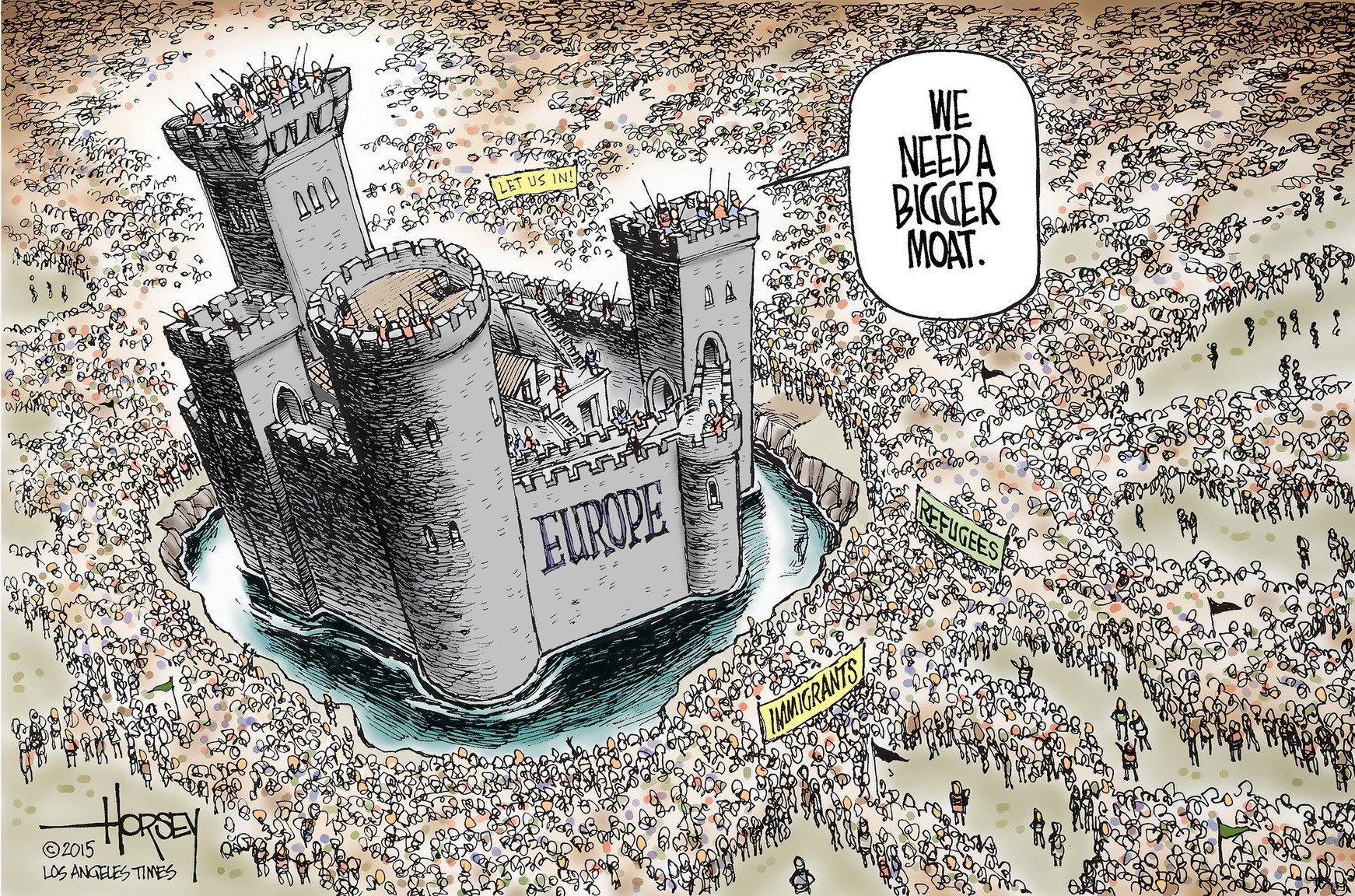
Europe, still here

It’s been a tough few years for the Eurozone. Between the ongoing debt problems and the pervasive deflation Europe has seemed to be on the ropes consistently since 2008. Somehow the Union has continued to survive, despite being constantly assailed by financial crises, rejected constitutions and now referendums on future membership.

What all these problems represent is the failed integration of the European people into a “European people”. Despite years of effort Germans are still Germans, French are still French, and Brits are still Brits. In fact, far from creating an integrated whole where a common identity is shared across the continent, many countries face challenges about their own integrity. The Scottish nearly became a country separate from Great Britain, in Spain a Catalonian independence party recently won big, and don’t get me started on the issue in Belgium. What this all means is that national self interest still trumps European self interest, and so while Greek problems affect everyone they remain primarily Greece’s problems in the eyes of many.

Boat People

Meanwhile interest in being part of the EU is on the wane, with Britain scheduled to have a referendum on its future involvement leading a general trend about Euroscepticism. In Holland a whopping 83% of voters want greater say about transfers of power to the EU. On December 3rd, Denmark will be voting about changing its “opt-out” status into “opt-in”, but the anti-euro sentiment is growing and while a pro-EU yes side seems to be winning, it isn’t winning by much.

Other countries that had sidestepped EU membership are decidedly more firm about not joining. Norway’s initial membership was ultimately rejected by a small majority in the 1970s, today pro-EU support in Norway is only around 20%. In Iceland, a country that has had a pending request to join the Union for some years let its membership request lapse this year, citing that its future is better served outside the EU.

la-na-tt-europe-migrant-crisis-20150902

Into this mess is the migrant crisis, which while currently focused on the Syrian refugee situation has been a much longer issue including the abundant number of people risking life and limb crossing the Mediterranean from North Africa. But despite how moving the plight of the refugees has been, including the sad picture of a little boy drowned on a beach in Turkey, the German response of “no upper limit” for refugees seems to have already hit it’s upper limit. The President of Germany, Joachim Gauck, has said “Our reception capacity is limited even when it has not yet been worked out where limits lie,” a sentiment that has been echoed by other German politicians and an increasing number of Germans themselves.

With 10,000 refugees arriving daily into Germany and still boatloads more coming into the south coast, Europe is finding itself stretched to the limits about how to deal with such an influx of migrants. The scale of the human suffering that is prompting these moves makes it often impolite to discuss the nuts and bolts of taking so many people at one time, and objections raised by critics are quickly shouted down as racist. But with more than 800,000 refugees this year expected by Germany there are calls to fairly distribute the asylum seekers across Europe, a call meeting mixed to negative responses by many nations.

Much of the focus on Europe’s woes has been about financial matters, but the EU has aimed to be more than a financial union, it has sought a social union as well. And while Europe’s financial problems are well understood and the response to those problems have been unified, the social integration is far from even. Germany may have taken a stand for enlightened moral behavior in accepting so many people, but they notably don’t speak for many other nations, neither rich like Britain (a promise of 20,000 over the next five years) or poor like Greece who had 50,000 people arrive in July alone.

And despite whatever successes the EU bestows upon member states, a future European Union may be a looser European Union in the end, in itself a promise of more instability for the future of Europe.

In Praise of Investor Optimism

markets_1980043c

My industry is awash in optimism. This makes intuitive sense, for the entire process of investing assumes that the companies you invest in will go up in value. Regardless of how conservative and cautious a portfolio manager is, underlying his dour outlook is an optimist that runs a portfolio of various stocks, each one intended to make money.

optimism

For this reason it is incredibly rare to hear outright negativity from professionals, which I suspect contributes to a subtle sense of unease by the average Canadian who must both trust a portfolio manager to look after his money while scratching their heads at a market that can decline significantly in value with no perceivable change to the asset mix they are invested it.

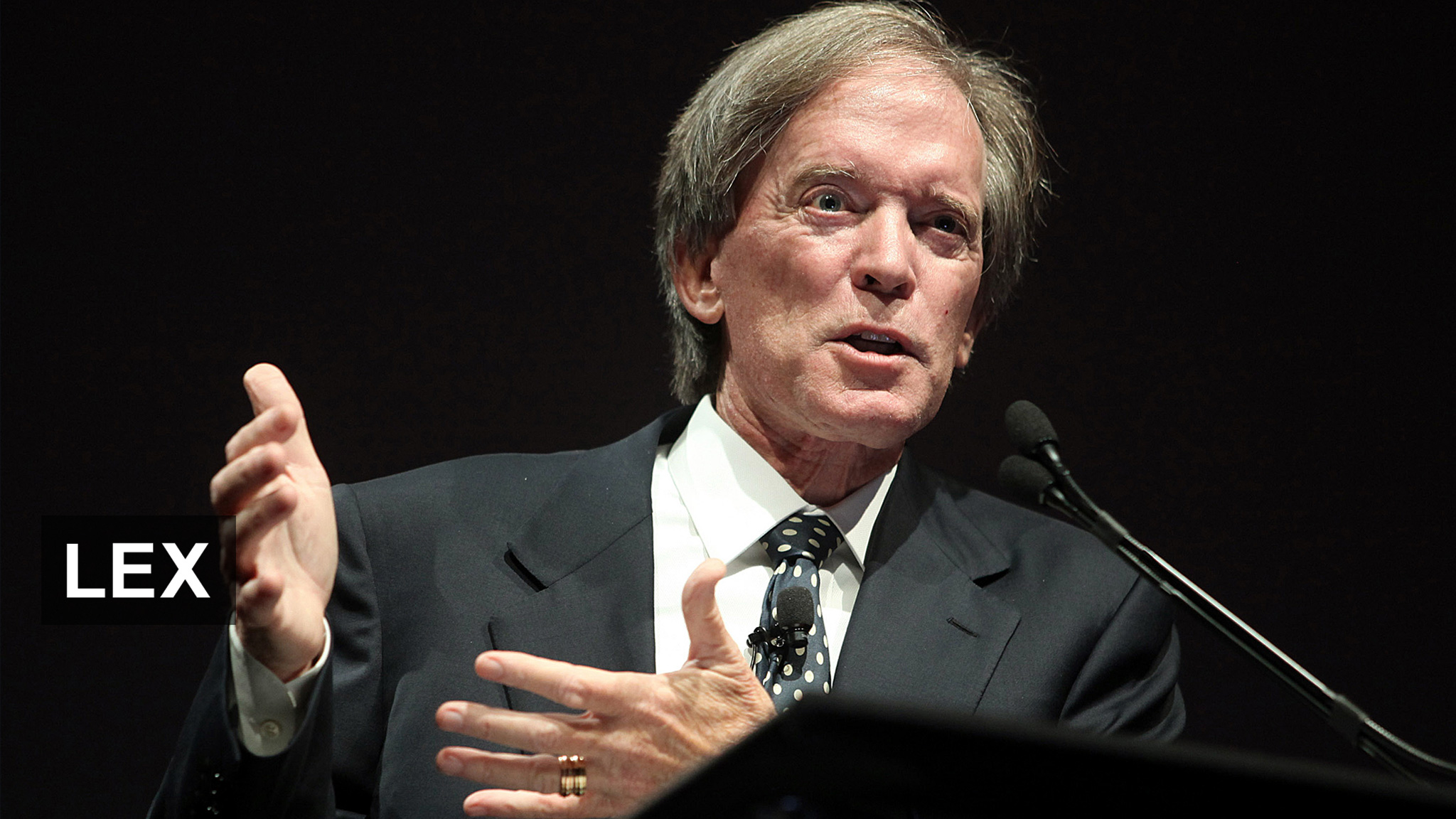
This is Bill Gross. Until 2011 he was a very successful manager with PIMCO, where he headed up their largest fund. Then he made a contrarian prediction about the markets, lost a lot of money and was fired from his fund.

Even when we do get very negative views from portfolio managers, the subtext is still optimism, just for THEIR investment choices. There is never a contrarian market call that doesn’t seem to serve double duty as a marketing plan as well. When Bill Gross famously said that the US was going to tank back in 2011, he was also claiming that his investments wouldn’t and took a contrarian stance that proved to be very costly for his investors. The same is true for Eric Sprott, whose own doubt about the future of stock markets had prompted some very optimistic numbers about the value of gold and junior mining companies.

For the average investor much of this can be quite exasperating as investing shies away from the ways we attempt to establish certainty. Investing is all about educated guesses, and despite many different tweaks the rules for investing remain surprisingly limited: “buy low, sell high” and “diversify”. Professionals have attempted to improve and refine how these two things are done, seeking out the best ways to analyse companies, markets and whole countries, but in the end these two rules still provide the best advice to investment success.

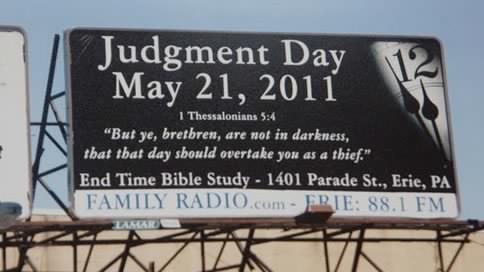
I wish to write to you about a mistake on your billboard...
I wish to write to you about a mistake on your billboard…

But as investment guides go, reveling in the uncertainty of the investments is something that many people don’t want. Instead they would much prefer to hear about what is going to happen in a matter-of-fact manner from an “expert”. This is why there is always a market for doomsayers and contrarian predictions, because of the certainty they seem to offer. It feeds our innate sense that there must be a right and knowable answer about the future that can be revealed to us.

sandwich-board-man-warns-us-of-impending-doomAnd yet like their biblical equivalents, contrarian predictions have all failed to live up to their hype. Just as every “end is nigh” doomsday cult has disappointedly had to move the calendar date for the end of the world, the number of people who have proclaimed loudly the end of traditional investment world is both numerous and filled with failure.

And so, frustratingly, investors are faced with the assuredness of doom-saying predictioners (who are almost certainty wrong), and the cheerfully faced optimistic portfolio managers who routinely remind investors that there is no bad time to invest, that bad markets are “corrections” or “set backs” and that significant price drops are “buying opportunities”.

And yet I doubt we would have it any other way. If we could be absolutely certain about what stocks were going up or down and when there would be no money to make in the markets as companies would always be priced correctly. And whether we realize it or not, it is hugely helpful to remember that there exists no accurate way to divine the future, no Ouija board that can contact the dead, no equation or computer that can process the world’s data to tell us what is happening tomorrow, next week or a decade from now.

I derive great comfort in this, because the optimism that drives the investing world is also a wider optimism about the future. Experts predicted famines wiping out millions in 1970s and 1980s, environmentalists predict the end of all things, and political talking heads bombard us with a daily diet that everything is awful, but our world is healthier, wealthier and kinder than ever before. And unbelievably investors believe in that world, even when they don’t know it.

What The *$#! Is Going On? (And What To Do About It)

Money Worries

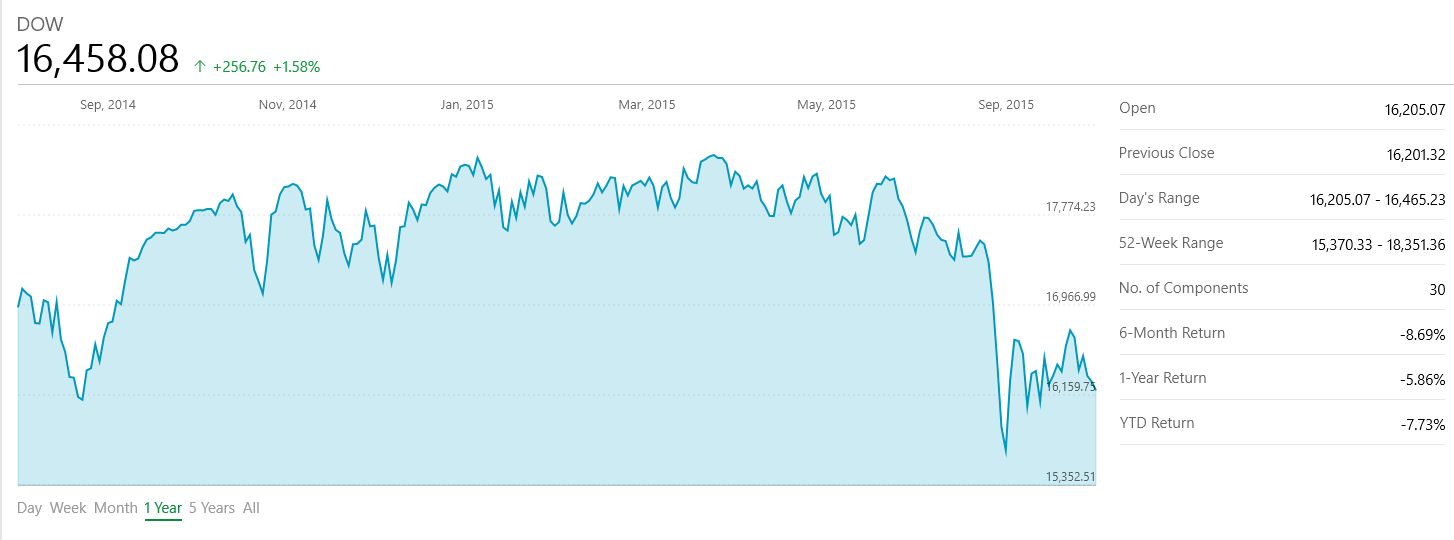
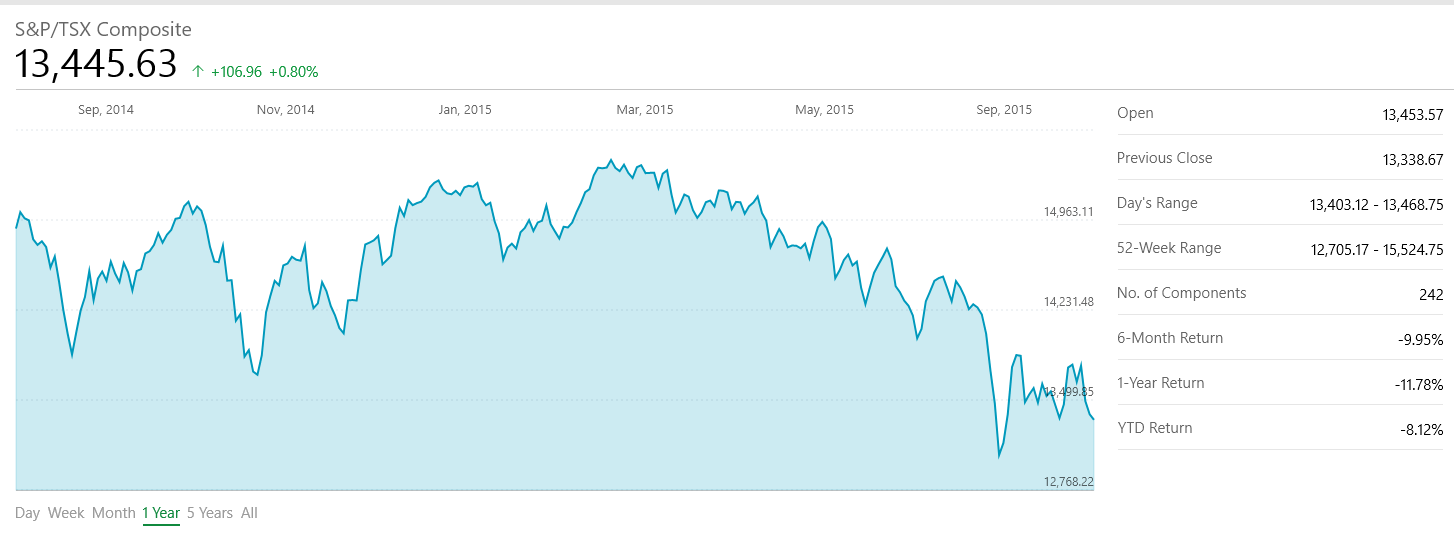
Over the past month it would seem that all hell has broken loose on global markets. A generous explanation might use the phrase “increased volatility” while a more pessimistic reading would say that we are heading for another global recession. Either way, people are nervous and money is being pulled out of the market by investors in droves. Year to date returns off of major indices are all negative. The TSX and the Dow are both -8% for the year while the S&P 500 is -5.5%. So what is happening?

Dow Jones Capture TSX Capture

The earliest threads for the most recent round of economic confusion date back to last year, when the price of oil began to fall. Normally falling oil is a welcome sign but in the economic climate we are in, one desperate to see some inflation, falling oil just meant more deflationary pressure. The plummeting oil price also hit a number of economies quite hard. Resource rich economies like Canada, Russia and Venezuela all took it on the chin. The falling price has been exasperated by the Saudi price war against the burgeoning US shale production.

For many investors a falling oil price also seemed to shine a light on a declining need for oil, not one born of environmental concern, but of a falling global demand. That leads us to the current problem with China. China’s problems are likely vast and not well understood yet. There is secrecy around the Middle Kingdom when it comes to economic matters, but it is likely that the Chinese are not immune to the same kind of avarice, greed and hubris that usually underlies most market bubbles. The Chinese have had a stock market collapse that has been followed by increasingly grim statistics and a revisit of the overbuilding narrative that has followed on the heels of China’s economic success.

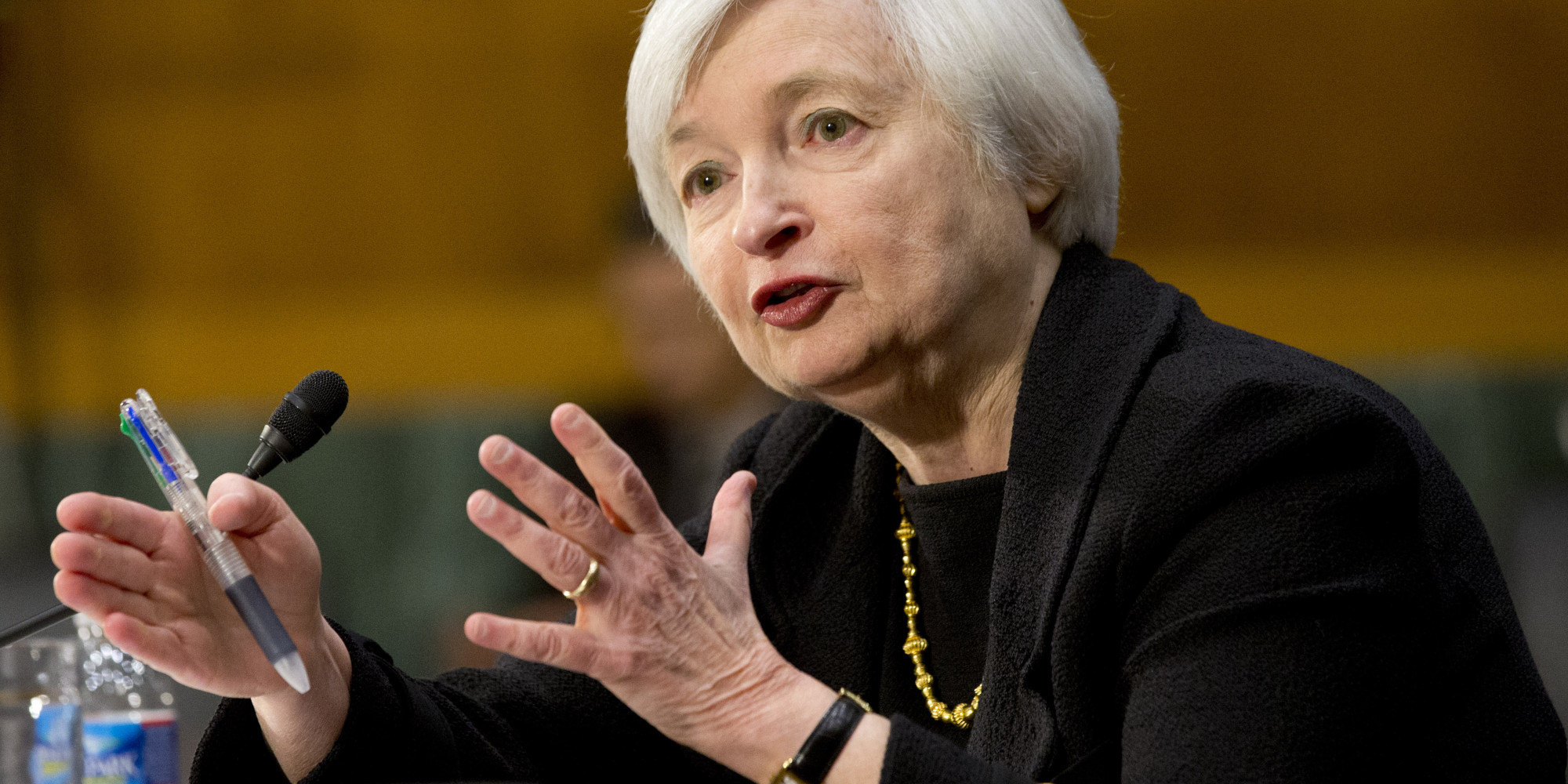
Janet Yellen, of California, President Barack Obama's nominee to become Federal Reserve Board chair, testifies on Capitol Hill in Washington, Thursday Nov. 14, 2013, before the Senate Banking Committee hearing on her nomination to succeed Ben Bernanke. (AP Photo/Jacquelyn Martin)
Janet Yellen, of California, President Barack Obama’s nominee to become Federal Reserve Board chair, testifies on Capitol Hill in Washington, Thursday Nov. 14, 2013, before the Senate Banking Committee hearing on her nomination to succeed Ben Bernanke. (AP Photo/Jacquelyn Martin)

The final piece of this puzzle was the looming interest rate hike from the United States. Interest rates are closely tied to rates of inflation and are important tools for governments in trying to mitigate recessions. Since the United States has had a near 0% interest rate there is some eagerness to push the rate up and give the Fed some options if the market sours. But critics have spent most of the year worried about a rate hike, citing the strengthening dollar and weak inflation rate as reasons not to do it. When the Federal Reserve took that advice though and opted to postpone the rate hike last week, the response of immediate joy was overwhelmed by the sudden realization that perhaps the US economy was not strong enough to withstand a rate hike and the global economic picture was far worse than previously thought.

Whether this means we are actually heading for a recession, it’s too early to say. No one knows what is really going on, but the sentiment, what people believe is going on, is resoundingly negative. Combined with an aging bull market and the highly liquid nature of investing has meant that there is simply more volatility in the markets than before.

Looking over the business news is little more than a guessing game informed by various analysts about what is (or is not) happening. But the best question that investors should be asking themselves is what do they need to have happen to their investments? While no one is looking to lose money, retirees and pre-retirees need to give real thought as to whether their investments suit their financial needs over the coming few years, and what kind of financial storm they could weather.  So the smartest thing you can do regarding your investments is call up your advisor and discuss your investment strategy going forward.

Need Some Help? Give Us A Call To Review Your Investment Strategy!

Beware False Prophets

Screen Shot 2015-08-27 at 4.38.40 PM
I have shamelessly grabbed this image from The Economist and their article “The Great Fall of China” which I recommend you read.

Investors endured an indignity Monday as global markets reeled from further bad news from China. Overnight (for us, not China) the Shanghai market saw it’s single biggest day decline, now dubbed “Black Monday” which set off sellers worldwide. The TSX dropped 420 points, the Dow Jones was down over 500 points, a drop in excess of 3.5%. The FTSE had its biggest drop in two years and brought it to its lowest since February 2014. In short, it was a bad way to begin a week.

Since then China has cut interest rates, which has encouraged global investors that doom may not be close at hand and markets have bounced up from Monday’s lows, most notably in the United States. But the news from China isn’t good. A toxic mix of investor debt, a bursting market bubble, falling exports, rumored slowdowns and a depreciating Reminbi have scared global investors. China is the world’s second largest economy, and though it isn’t integrated into the global economy like the United States, it’s impossible to conceive of a Chinese slowdown that won’t be felt the world over.

Investors should be cautious. There is a lot of speculation and it is still too early to truly know the full extent of both the problems in China and the fallout for global markets. But the threat of a global recession is real and when China’s problems are added to the abundant weaknesses found in many economies there are solid reasons to be concerned.

Big events like China’s shifting economy typically bring professional talking heads out of the woodwork to speculate about what the future might be like for investors as a result of the changing economic fortunes for the Middle Kingdom. These predictions usually over reach, though the seers behind them are intelligent, well meaning, knowledgeable and very sincere. It should be remembered too that there is great demand for experts who will take the hodgepodge of various financial data and attempt to turn it into a roadmap to understanding the future. Historically these predictions, and their adherents often don’t do well over the long term.

A name many will be familiar with illustrates my point. Canada’s own Eric Sprott, the founder of Sprott Asset Management, saw his success over the years brought to heel through his conviction in gold. Convinced that the vast printing of capital to combat the 2008 financial crisis would undermine currencies and the only safe investment was gold, Sprott ended up losing vast amounts of money by not just betting on gold’s future but by choosing the riskiest way to invest in it. Why did he do that? Backed by considerable data, a lot of analysis and his own success he was sure that he was making the right call. At the last event I attended for Sprott I sat bewildered as conspiracy theories were tossed around to explain the continued decline in gold’s price rather than face facts that they were simply wrong.

The shock of this event was largely not predicted. Afterwards predictions about American's economic future also proved incorrect.
The shock of this event was largely not predicted. Afterwards predictions about American’s economic future also proved incorrect.

There is enormous comfort in predictions. They give a sense of control and suggest an ordered universe that one can make sense of. But successful investors long ago realized that winning meant dealing with risk rather than predicting the future. Any event or scenario that seems to place countries, economies or people on a set destiny that cannot be broken is only ever superficial. Regardless of the seriousness of the situation invariably people will take action to change their fate, often with unexpected consequences. Whether it is a financial catastrophe like 2008, a price war over oil, or the sudden reversal of fortunes for the next anointed economic power, these situations are all temporary and the correct response from investors should be guarded opportunism and not confident certainty about future events.