

Donald Trump is president elect, and only Russia is happy. That, and of course millions of Americans. And Donald Trump.
There are many things I want to say about his election. One is that we had correctly read the sentiment last year and this year regarding citizen dissatisfaction and the likelihood of surprising or disappointing results in big electoral decisions. The other is to talk about the failure of “experts” and their inability to get much right, from big economies to statistical outcomes in elections.

Instead I want to turn my attention to a recent lecture I attended at the ROM that discussed evolution and mass extinctions. In case you don’t know we may be living through a sixth mass extinction (insert Trump joke here), but aside from that the previous mass extinctions are not what we think. In fact every subsequent mass extinction has led to an increase in the bio diversity after it, and our lecturer concluded that mass extinctions help the planet cut down the time on evolutionary development, removing 50 million years of grinding it out overnight. Mass extinctions are big events but they aren’t the end of things, they are the beginning of far more.
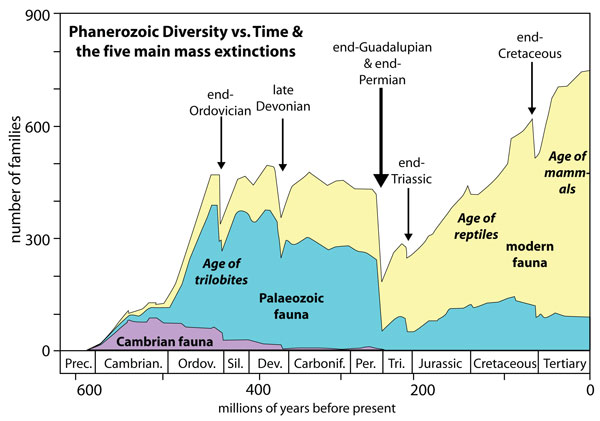
There could be something to this with Trump’s election. There are a lot of angry people out there who “cant believe this is happened” and are talking about it like it’s the end of the world. That’s obviously not the case. So what could it be the beginning of?
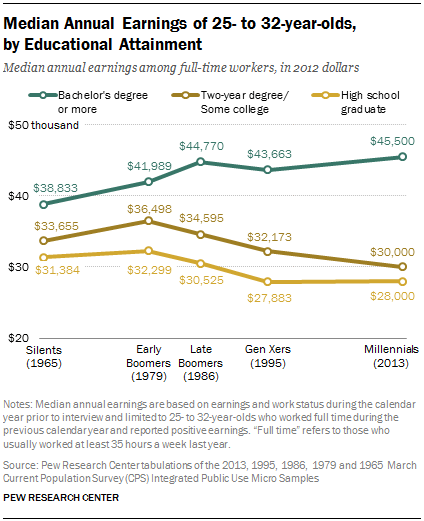
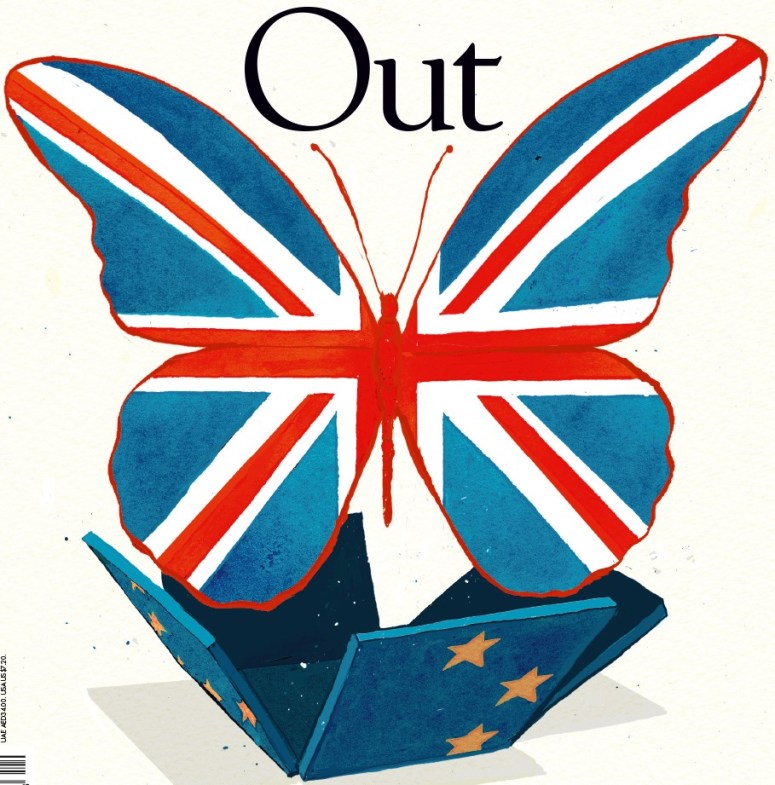
There is much right now to not be pleased about. While economic news for the United States is certainly better than most other countries, most people would hardly call it robust. Threats to middle class security loom large. The rust belt is a genuine and persistent problem for millions of Americans. It also threatens to spread to more places with increasing automation. Many Americans, even if they are doing fine financially don’t feel like they can likely afford retirement. Globally the news is actually worse. Brexit wasn’t a great idea given the details of what it involved, but it wasn’t a crazy response given the total failure of the EU to manage itself or improve the economic situation for many of its members.
Other articles about Trump:
Donald Trump is my pick for Republican Nominee
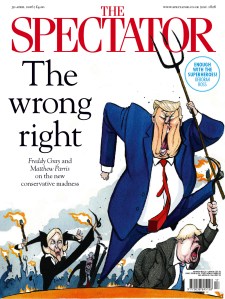
Burning it all down: The Rise of Trump’s Conservatism
The Age of Breakable Things
But What if He Wins?
At some point in the last 20 years the term “technocrat” came into common usage, and refers to technical experts. Economists are technocrats. Nate Silver is a technocrat. Janet Yellen is a technocrat. The EU is a technocratic organization. It’s not a condemnation, but an acknowledgement that we have come to live in a technocratic society, one in which the levels of complexity keep rising, requiring experts with ever more refined skills to manage. 21st century complexity has seemingly killed the renaissance man, as subjects are far to varied and nuanced to be well understood. The 21st century seems to favour those of us that can know one big thing.

But given the failure of technocrats to fix the problems they’ve made, we might ask ourselves what we’re getting wrong. The answer I think lays in the ancient Greek saying that “a fox knows many things, the hedgehog one big thing.” Technocrats are hedgehogs. They know one big thing, and they tend to assume that they are right so long as their one big thing continues to provide positive results. But the minute they are wrong they are without a clue as to what happened.
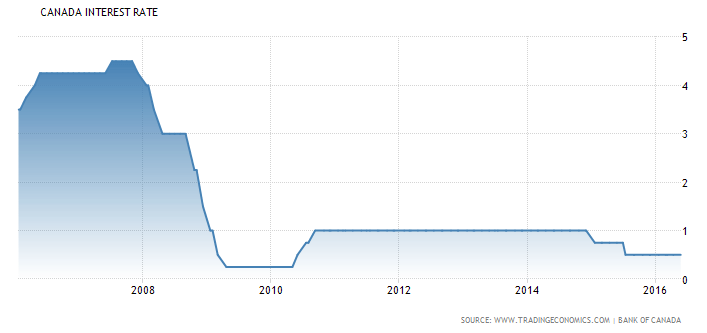
The 21st century may require more foxes, generalists that better understand the many things tugging at the world rather than the narrow and parochial focus of experts. And Trump, for all his sins (and I believe there will be many) may hurry up that need. His promise to take a sledgehammer to things like NAFTA, challenge the supremacy of persistent low interest rates and bring some realism to organizations like NATO, while terrifying, represent the mass extinction of a series of ideas that are too confident in their own self worth, too precious to be tested and too fragile to survive. Whether we come out the other side of this better off has yet to be seen but its a possibility we shouldn’t dismiss.


 And so we come back to Jane Jacobs. There is unlikely anyone more influential on how we think of cities than Jane Jacobs. She’s responsible for many great ideas about livable spaces, about how sidewalks and cities need people to thrive, the benefits of cities for bringing different people from different socio-economic backgrounds together and the importance of making cities for people, and not cars. When she lived in New York she fought against the likes of Robert Moses, and the push for more highways (frequently built at the expense of poorer neighbourhoods). When she brought her family to Toronto to avoid the Vietnam war (her kids were of drafting age) she moved into the Annex and fought against plans for the Spading Expressway (now Allan Rd) and campaigned so that its southern portion was never built.

 The reopening of the email investigation by the FBI has breathed second life into Trump’s campaign, reinvigorated a dejected base and rekindled the seemingly pathological hate many have for Hillary. Trump’s candidacy is still a long shot, but not as long a shot as it should be.


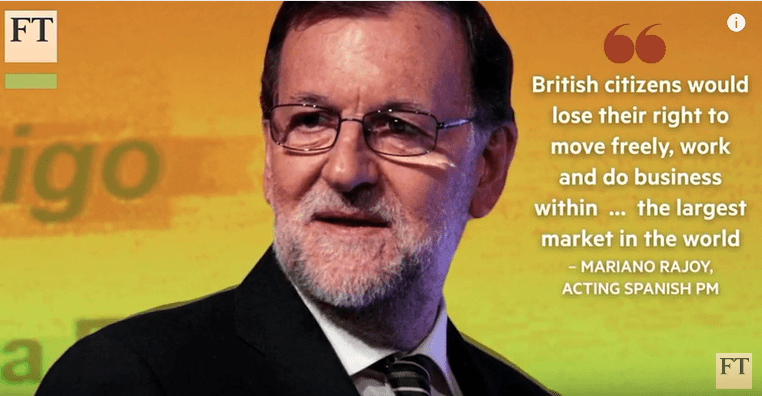
 If there was ever going to be a moment to gain some clarity about what the Brexit would truly and ultimately mean, Friday was the day. Following the win by the leave camp, markets were sent reeling on the uncertainty stirred up by the referendum, and by the day’s end Britain had gone from being the


 As proof that the robot revolution will spare no one, even our industry is feeling the intense weight of cheap human alternatives in the form of “robo-advisors”. Given some glowing press by the Globe and Mail over the last weekend, robot advisors now represent a real and growing segment of the financial services markets and are forcing many advisors, including us, to ask how they and we will live together and what our respective roles will be.
 To say that robo-advisors are a hot topic among financial advisers is to understate the collective paranoia of an industry that has come to see itself as besieged with critical and often unfair press. We haven’t been to a conference, meeting or industry event that doesn’t at some point involve financial advisors attempting to rationalize away the looming presence of cheap and impersonal financial advice. While there are some good questions that get asked at these events, there is a whiff of denial that must have given false hope to autoworkers in the 80s and 90s in these conversations.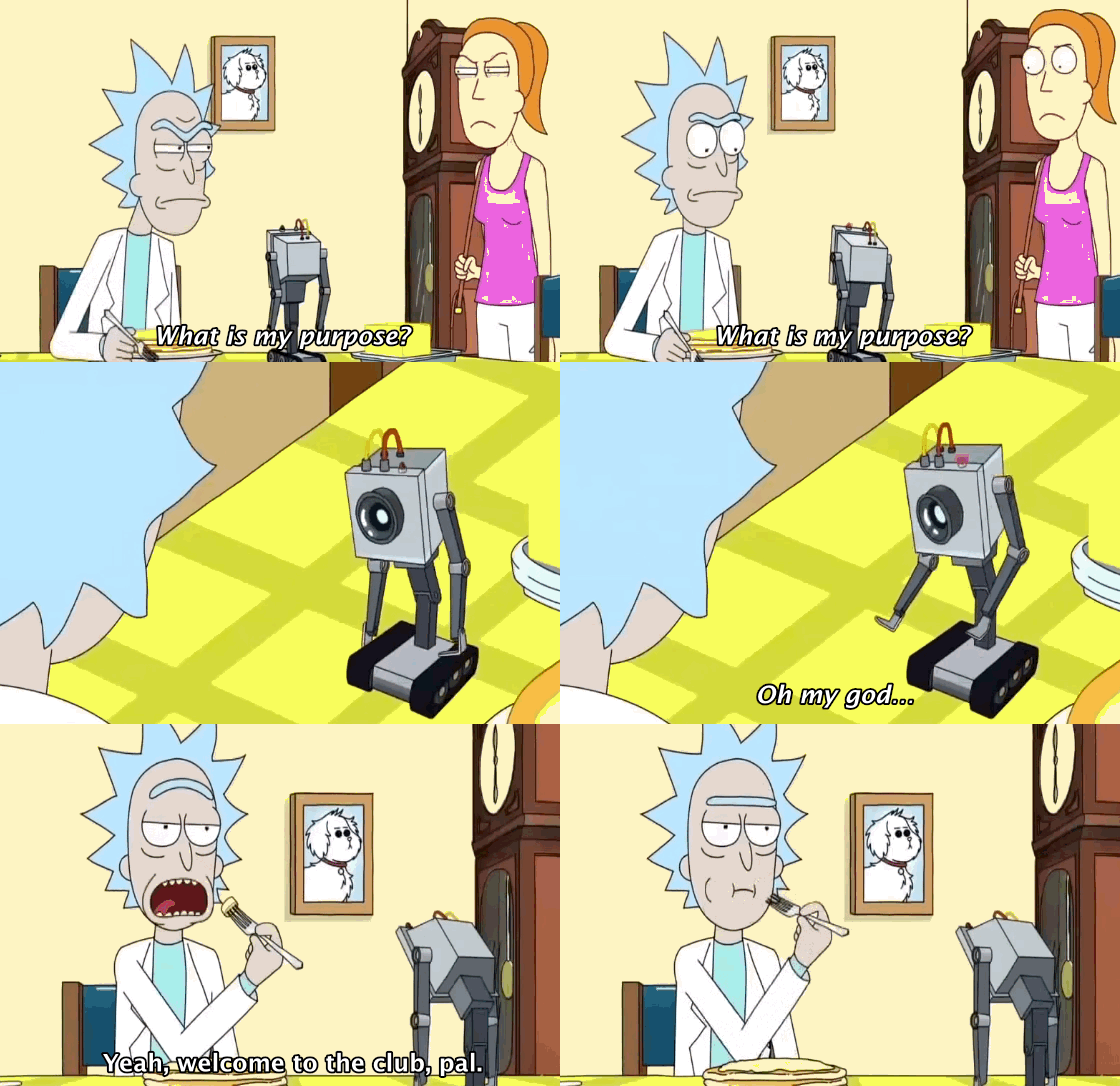





 The Walker Report